Christmas Loading: A Designer’s Practical Review
As an embroidery designer who constantly evaluates digital assets for both personal projects and client commissions, I approach every new machine embroidery design with a critical eye. It is not enough for a graphic to look cute on a screen; it must translate into clean stitches, durable wear, and commercial viability. When I first opened the Christmas Loading file, I was looking for more than just holiday cheer. I wanted to see if this modern, playful concept could actually hold up in a real-world production environment. After testing this design on various substrates and analyzing its stitch architecture, here is my honest assessment for fellow makers, Etsy sellers, and apparel decorators.
First Impressions and Digital Anatomy
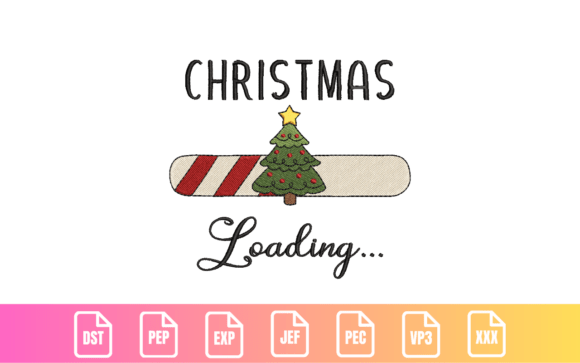
The immediate appeal of Christmas Loading lies in its contemporary aesthetic. Unlike traditional Victorian or rustic holiday motifs, this design taps into the digital-native humor that resonates with millennials and Gen Z. The visual hierarchy is clear: a loading bar styled with candy-cane stripes serves as the focal point. From a digitizing perspective, this linear structure is generally forgiving, but it requires precision. The transition between the red and white sections of the candy cane needs to be crisp without excessive jump stitches or bulky overlap points that could cause needle breaks or fabric puckering.
In my initial software review, the balance between satin stitch outlines and fill stitch interiors appeared well-proportioned. This is crucial because a loading bar relies on geometric perfection. If the stitch density is too high, the bar will look warped on stretchy fabrics; if it is too low, the candy-cane effect loses its vibrancy. The festive elements surrounding the bar add personality without overwhelming the central message, making it a versatile asset for those who want holiday spirit without visual clutter.
Real-World Application: The Custom Sweatshirt Test
To truly evaluate this embroidery file, I moved beyond the simulation software and hooped up a mid-weight cotton fleece sweatshirt. My goal was to create a sample for a potential capsule holiday collection targeting young professionals who want festive custom apparel that feels subtle rather than costumey. I chose a cream-colored fleece to test contrast against the traditional red and green thread colors typically associated with this theme.
The stitching process revealed the design’s true character. The linear nature of the loading bar acted almost like a stabilizer itself, anchoring the fabric effectively. However, I paid close attention to the registration marks where the candy stripes met. On this sweatshirt embroidery project, the alignment was spot-on, resulting in a professional finish that didn't require tedious trimming post-stitch. The final finished product had a soft hand-feel, which is non-negotiable for wearable items. Customers are quick to reject embroidered garments that feel stiff or scratchy against the skin, and Christmas Loading passed the comfort test comfortably.
Best Use Cases for Makers and Sellers
Based on my testing, this design shines in specific categories. For Etsy sellers and small business owners, versatility is key to ROI. Here is where I see this design performing best:
- Tote Bag Design: The horizontal orientation fits perfectly above the center seam of standard canvas totes. It creates a witty "processing gifts" or "holiday mode activating" narrative that shoppers love.
- Baby Embroidery: Because the design avoids sharp edges and overly dense areas, it is safe and comfortable for onesies and bibs. The playful tech theme makes for unique nursery decor or milestone outfits.
- Kitchen Textiles: Tea towels and aprons benefit from the linear shape, which sits flat even after repeated washing. It adds a modern touch to functional holiday embroidery.
- Digital Product Previews: For those selling design assets or print-on-demand items, the clean lines of this design render beautifully in printable mockups, helping drive sales before you ever thread a needle.
Technical Cautions and Fabric Limitations
No design is universal, and Christmas Loading has limitations that experienced embroiderers must respect. While the geometry is simple, the color changes required for the candy-cane effect can be time-consuming. If you are running high-volume commercial embroidery orders, factor in the extra trim and color-change time compared to a single-color fill.
I would advise caution when using this design on highly textured fabrics like terry cloth or chunky knits. The fine details of the festive accents and the clean lines of the loading bar can get lost in the pile. In these cases, you might need to use a water-soluble topping to maintain clarity. Additionally, while the design works well on stable cottons, stretching it across curved surfaces like caps requires careful distortion compensation. Always verify your hoop size capabilities before purchasing; the aspect ratio of a loading bar means it may not fit in smaller 4x4 hoops without significant resizing, which could compromise the integrity of the satin borders.
Furthermore, be mindful of dark fabrics. If the design relies heavily on light-colored fills to define the loading bar, you may need to add an underlay or adjust thread colors to prevent the dark fabric from showing through the stitches. Always check the specific licensing terms of the digital embroidery file to ensure you have the rights to sell finished goods, especially if you plan to scale this into a seasonal bestseller.
Designer Notes for Professional Results
For those adding Christmas Loading to their library, follow these practical steps to ensure success:
- Test Stitch First: Never run this directly on a final garment without a test. Use scrap fabric similar in weight and stretch to your intended project to check tension and registration.
- Stabilizer Selection: For knitwear, use a cut-away stabilizer to prevent the loading bar from distorting over time. For woven tote bags or towels, a tear-away is usually sufficient.
- Thread Contrast Check: View your thread palette in natural lighting. The difference between the red and white candy stripes must be distinct to read correctly from a distance.
- Mockup Validation: Before listing a personalized gift or custom item, place the design on both light and dark digital backgrounds to ensure visibility and appeal across different product variants.
- Resize with Care: If you must resize, do so within 10-15% of the original dimensions. Significant resizing alters stitch density and can turn a smooth satin stitch into a jagged mess or a perforated line.
Final Verdict on Value and Appeal
Ultimately, Christmas Loading is a strong contender for modern holiday collections. It bridges the gap between traditional craftsmanship and internet culture, making it highly relevant for today's market. For the craft business owner, it offers a fresh alternative to saturated snowman and reindeer designs. For the hobbyist, it provides a satisfying stitch-out with manageable complexity.
The design’s success in your shop will depend on your execution. By respecting the technical requirements of the embroidery project and choosing the right applications, you can transform this digital file into a tangible, profitable, and delightful holiday staple. Whether you are creating a bespoke embroidered patch or a full line of seasonal apparel, this design brings a professional, lighthearted energy that customers are currently seeking. Just remember to verify all file specifications and license details prior to production to protect your business and ensure your creative vision translates flawlessly from screen to stitch.