Retro Vinyl Record: A Designer’s Stitch-Out Review
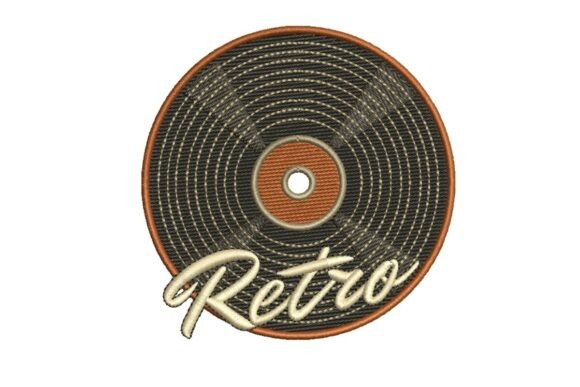
When I first loaded the Retro Vinyl Record machine embroidery design into my software, I wasn't just looking for a cute graphic; I was evaluating its structural integrity for commercial production. As someone who runs a small shop and fulfills custom orders, I need designs that stitch out cleanly on various fabrics without requiring excessive troubleshooting. This stylish retro vinyl record design with bold Retro script immediately caught my eye as a strong contender for vintage-themed embroidery, but visual appeal on a screen is vastly different from thread on fabric. My goal was to determine if this digital embroidery file could withstand the rigors of real-world application, from custom apparel to personalized gifts.
First Impressions and Visual Personality
The initial mood of this design is undeniably nostalgic. The circular geometry of the record provides a natural frame, while the bold Retro script adds a dynamic, human element that prevents the design from feeling too rigid or industrial. For an Etsy seller or creative entrepreneur, this balance is crucial. You want a design that reads clearly in a thumbnail image but still offers enough detail to justify a premium price point on a finished product. The layout feels intentional, suggesting it was digitized with actual stitching order in mind rather than being a simple auto-digitized conversion. However, before committing to a full production run, I always assess how these visual elements translate into physical texture.
Real-World Application: The Sweatshirt Test
To truly evaluate this embroidery project, I decided to test it on a heavyweight cotton sweatshirt, a staple item for any handmade product line. Music lovers often gravitate toward cozy, vintage-style apparel, making this the perfect canvas. During the stitch-out, I paid close attention to how the satin stitch elements interacted with the fleece backing. Bold lettering can sometimes sink into textured fabrics, losing definition. Fortunately, the Retro Vinyl Record design maintained good coverage, though I did have to adjust my stabilizer choice to ensure the script didn't distort on the stretchy knit.
This test confirmed that the design works exceptionally well for custom apparel and boutique branding. The size was substantial enough to serve as a centerpiece on the chest or back of a garment without overwhelming the wearer. For craft business owners, this versatility is key. A design that performs well on a sweatshirt can often be adapted for tote bag design or apron decoration with minimal modification. The bold aesthetic ensures high visibility in printable mockups and digital product previews, which helps drive buyer engagement before you even thread your needle.
Evaluating Stitch Density and Fabric Compatibility
While the sweatshirt test was successful, not every fabric will yield the same results. When reviewing any embroidery file, understanding stitch density is non-negotiable. This design features areas of solid fill stitch alongside detailed running stitch outlines. On stable fabrics like denim or canvas, this combination creates a beautiful, tactile contrast. However, I would advise caution when using this design on lightweight performance wear or thin rayon blends. The density required to make the vinyl record look opaque could cause puckering or fabric damage on delicate materials.
If you are planning baby embroidery or items for infants, you must consider the back of the design. Dense fill stitches can create a stiff, scratchy surface against sensitive skin. In such cases, you might consider using this design as an embroidered patch instead of stitching directly onto the garment. This approach preserves the vintage aesthetic while ensuring the comfort and safety of the end user. Always check the specific stitch count and density settings in your software before applying this to high-value or delicate items.
Navigating Hoop Sizes and Technical Constraints
One of the most practical considerations for small shop products is hoop size compatibility. The Retro Vinyl Record design likely comes in multiple sizes, but resizing can impact stitch quality. If you need to shrink the design significantly for a cap or sleeve cuff, inspect the tiny lettering and inner grooves of the record. Reducing a design by more than 20% can cause satin stitches to become too narrow or registration issues where outlines no longer align with fills. Conversely, enlarging the design may result in sparse coverage unless you manually add underlay or increase density.
For those creating holiday embroidery or seasonal merchandise, verify that your chosen hoop size accommodates the design's full dimensions plus adequate margin for hooping. Nothing halts production faster than realizing mid-stitch that the design exceeds your machine’s field. I recommend testing the largest intended size on scrap fabric first. This step allows you to confirm thread colors match your vision and that the stabilizer provides sufficient support. Remember, what looks balanced digitally may require a heavier cut-away stabilizer in reality to prevent the bold script from pulling the fabric grain.
Commercial Viability and Brand Consistency
For professional embroiderers and digital product sellers, licensing and commercial rights are as important as stitch quality. Before listing any finished product featuring Retro Vinyl Record, confirm the license terms provided with the file. Some designers allow unlimited sales of physical goods but prohibit selling the digital embroidery file itself or using it in mass-produced manufacturing. Respecting these terms protects your business reputation and supports the digitizer community.
Beyond legality, consider brand consistency. Does this retro aesthetic align with your existing shop identity? If your brand focuses on modern minimalism, this bold vintage style might feel disjointed. However, if you specialize in nostalgia, music culture, or boho-chic accessories, this design serves as a powerful anchor piece. It pairs beautifully with other musical motifs or 70s-inspired typography, allowing you to build cohesive collections that encourage repeat purchases. Customer trust grows when your product line feels curated and intentional rather than random.
Practical Notes for Makers and Sellers
Based on my review and testing, here are actionable takeaways for incorporating Retro Vinyl Record into your workflow:
- Test on Target Fabric: Never assume a design will work on a new material. Always run a sample on the exact fabric and stabilizer combination you plan to use for the final product.
- Check Thread Contrast: The bold script relies on contrast for readability. Test black and white mockups, but also physically stitch out color combinations to ensure visibility on dark versus light backgrounds.
- Mind the Details: Inspect small corners and tight curves after stitching. If registration is off, adjust your hoop tension or try a different stabilizer type before blaming the digitizing.
- Verify Licensing: Double-check whether the license covers both personal projects and commercial embroidery sales. Document this permission for your business records.
- Mockup Accuracy: When creating listings, use realistic textures in your printable mockup. Customers appreciate seeing how the stitch texture interacts with the fabric weave, not just a flat vector overlay.
- Wash Testing: If selling tea towels or baby items, wash your test sample. Vintage aesthetics shouldn't come at the cost of durability. Ensure the design holds up to the care instructions you provide to buyers.
Ultimately, Retro Vinyl Record is a robust, character-filled option for music-themed embroidery. Its success in your shop depends less on the file itself and more on your technical preparation and material selection. By approaching this design with a critical, maker-focused mindset, you transform a simple digital asset into a high-quality, sellable product that resonates with customers and stands the test of time. Whether you are crafting a personalized gift or scaling your Etsy listings, thoughtful execution is what separates hobbyist output from professional craftsmanship.