Santa Baby: A Craft Fair Embroidery Review
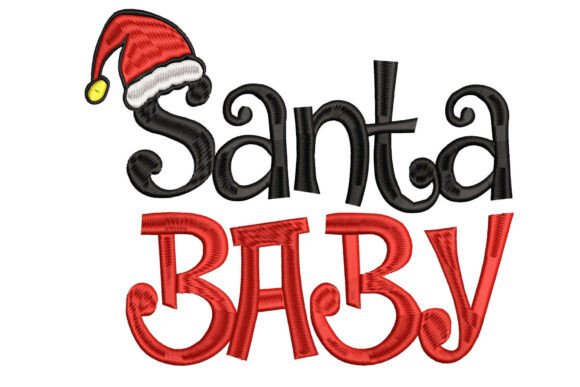
As an experienced embroidery designer preparing for the upcoming holiday market season, I approach every new machine embroidery design with a critical eye. It is not enough for a file to simply digitize well on screen; it must perform under the needle and, more importantly, convert browsers into buyers at a crowded craft fair booth. When evaluating the "Santa Baby" Christmas Word Art design, my primary focus is on its commercial viability for handmade sellers. This design features playful typography with the word "Santa" rendered in a fun, curly script, suggesting a vintage, cheeky aesthetic that resonates deeply with current holiday trends. For Etsy sellers and boutique makers, this specific stylistic choice signals a departure from traditional, stiff holiday decor, offering a softer, more nostalgic appeal that drives impulse purchases.
First Impressions and Booth Display Strategy
The immediate visual impact of Santa Baby is undeniably retro-festive. The curly script creates a sense of movement and whimsy that stands out against the sea of standard block-letter holiday merchandise often seen at winter markets. From a production standpoint, this style suggests a design that balances elegance with approachability. It does not feel overly formal, nor does it feel cheap; it sits comfortably in the "premium handmade" category. When planning a table display, this design serves as an excellent anchor piece because the typography acts as both image and text. Customers can read the sentiment from several feet away, which is crucial for capturing attention in a busy venue. The playful nature of the script implies that the finished product will be lighthearted, making it ideal for giftable items rather than solemn heirlooms.
Best Performing Products for Holiday Sales
Not every embroidery file translates equally across all blanks. Based on the description of the curly script and word art format, Santa Baby has distinct strengths for specific craft fair product categories. Understanding where this design shines helps maximize return on investment for small shop owners.
- Tea Towel Embroidery: This is arguably the strongest application for this design. The vertical or horizontal flow of word art complements the rectangular shape of kitchen linens perfectly. The playful script contrasts beautifully against flour sack cotton or waffle weave textures, creating a high-perceived-value handmade product that customers associate with cozy holiday baking.
- Tote Bag Design: Canvas totes are craft fair staples. The boldness required for a curly script ensures readability on natural or cream-colored canvas. As a tote bag design, Santa Baby functions as a fashion statement for holiday shopping trips, appealing to the demographic that values reusable, festive accessories.
- Apron Embroidery: For sellers targeting the hostess gift market, aprons are a high-margin item. The script placement on an apron bib or lower pocket area feels intentional and custom. Because the design is text-based, it avoids the gendered specificity of character faces, broadening its appeal to any home cook or baker.
- Fabric Pouches and Clutches: Smaller applications work well if the design scales down without losing legibility. Zipper pouches featuring this word art make excellent stocking stuffers or cosmetic bags. These smaller items serve as perfect add-on sales at the point of purchase.
Production Practicality and Batch Efficiency
For commercial embroidery businesses and digital sellers, time is money. A design might look beautiful, but if it requires excessive trimming or complex stabilization changes, it eats into profit margins. Word art designs like Santa Baby generally offer superior production efficiency compared to complex pictorial scenes. The continuous nature of script lettering often allows for fewer trims and color changes, assuming the digitizer has optimized the pathing. This makes it highly repeatable for batch production runs leading up to a market. Furthermore, word art photographs exceptionally well for online listings. Unlike detailed characters that can look muddy in thumbnail images, high-contrast typography remains crisp in printable mockups and social media ads. For an Etsy seller, this means lower photography costs and higher click-through rates, as the customer instantly understands what they are buying.
Critical Use Notes for Professional Results
While the aesthetic is promising, professional execution requires navigating specific technical challenges inherent to curly scripts. As a designer reviewing this for production, I must highlight several caution points to ensure the commercial embroidery output meets quality standards.
Managing Stitch Density and Fabric Texture
Curly scripts often involve satin stitches that can become dense where letters overlap or connect. On thick fabrics like terry cloth towels or fleece, this density can cause puckering or tunneling if not properly stabilized. Always test the stitch density on your specific blank before committing to a full run. If the design feels too stiff or bulletproof on a tea towel, consider using a lighter weight stabilizer or adjusting the density settings in your software. Conversely, on loose-weave fabrics, ensure you have adequate backing to prevent the intricate curves from sinking into the material.
Scaling and Legibility Concerns
The description notes a "fun, curly script." Scripts are notoriously difficult to scale down. If you intend to use Santa Baby as a small accent on a cap or a patch, verify that the thinnest parts of the script remain legible at the reduced size. Tiny details in cursive lettering can turn into a thread nest if pushed below a certain threshold. For embroidered patch applications, ensure the border definition is distinct enough to survive cutting and merrowing. If the design loses clarity at smaller sizes, reserve it for larger formats like pillows or market bags where the typography can breathe.
Thread Colors and Contrast
Word art relies entirely on contrast. A white script on a cream towel will vanish in photos and in person. When selecting thread colors, prioritize high contrast over exact color matching. Deep reds, forest greens, or metallic golds typically perform best against light holiday neutrals. Always create at least one real physical mockup to judge contrast in natural lighting, as studio lighting can sometimes artificially enhance visibility.
Designer Checklist Before Market Day
To ensure Santa Baby becomes a profitable asset rather than a production headache, follow this pre-production protocol. These steps bridge the gap between a digital embroidery file and a successful retail product.
- Verify Specifications: Since exact stitch counts and hoop sizes vary by digitizer, confirm these details match your machine’s capabilities before purchasing or stitching. Ensure the hoop size required fits your production setup efficiently.
- Test on Target Fabric: Never assume a design works universally. Stitch a sample on the exact fabric texture you plan to sell. Check for registration issues in the script connections.
- Stabilizer Audit: Determine the optimal stabilizer combination. Script usually demands a stable base; tear-away alone may distort the curls on stretchy or open-weave fabrics.
- Create Physical Mockups: Do not rely solely on digital previews. Photograph the stitched sample in natural light to use as your primary listing image. Real samples build trust with buyers who value handmade quality.
- Licensing Confirmation: Before selling finished goods or marketing them as part of your brand, review the license terms included with the design assets. Confirm you have the right to sell physical products derived from the file.
- Batch Consistency Check: Run three consecutive samples to ensure tension and alignment remain consistent. This validates the design for mass production.
Santa Baby represents a strong opportunity for creative entrepreneurs looking to capture the nostalgic holiday market. Its blend of playful typography and versatile application makes it a reliable candidate for tote bags, linens, and apparel. By respecting the technical nuances of script embroidery and validating the design through rigorous testing, sellers can transform this digital file into a tangible, profitable highlight of their holiday collection. Success at the craft fair comes not just from having cute designs, but from executing them with professional precision that customers can see and feel in every stitch.