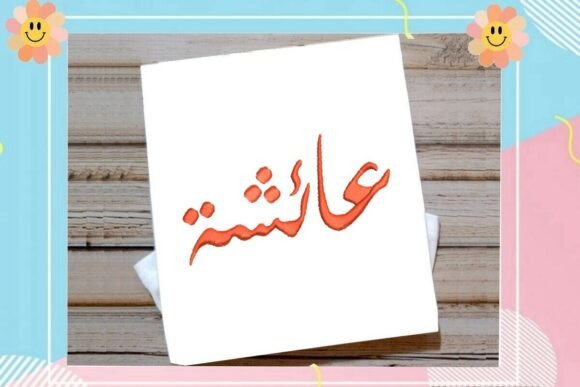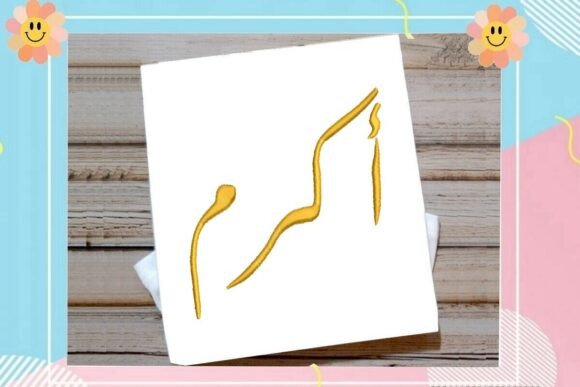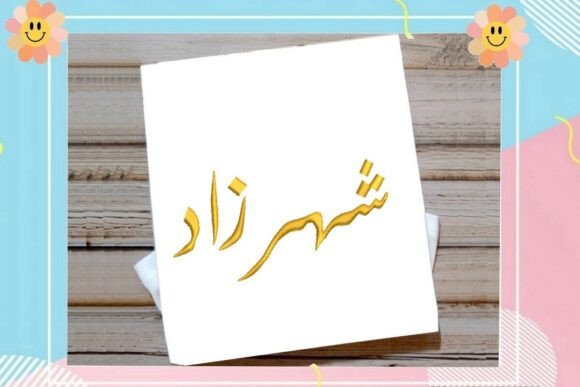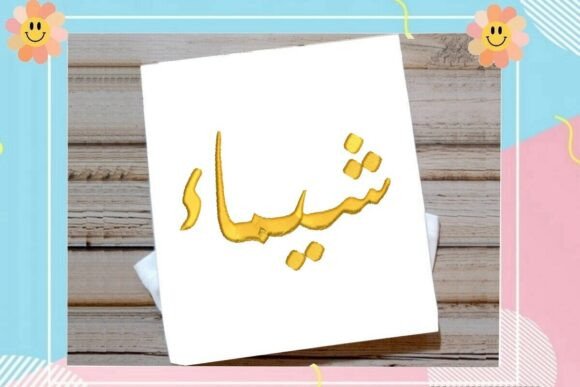
Abdullah Arabic Name: Elegant Embroidery Review
As an experienced embroidery designer preparing for a busy weekend craft fair, I approach every new digital file with a critical eye. It is not enough for a design to simply look good on a screen; it must translate into a tangible, sellable product that catches the attention of shoppers walking past a booth. When evaluating the Abdullah Arabic Name embroidery design, my primary focus is on its commercial viability for handmade market products. This specific machine embroidery design offers a unique intersection of cultural significance and aesthetic elegance, making it a strong contender for personalized goods. However, success at a craft fair or in an Etsy shop depends entirely on execution, fabric choice, and understanding how Islamic calligraphy behaves under a needle.
First Impressions and Aesthetic Value
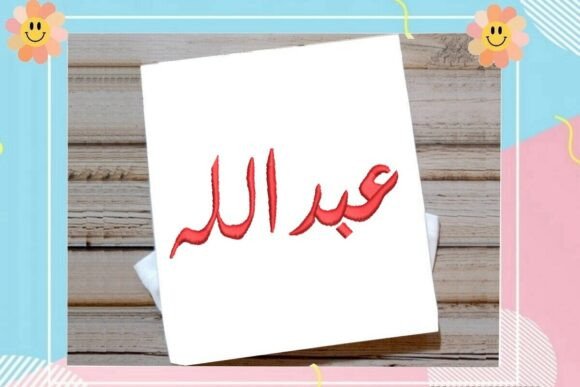
The first impression of the Abdullah Arabic Name design is one of refined elegance rather than playful novelty. Unlike standard block lettering often seen in personalization, this design embraces the fluid, artistic nature of traditional script. For a craft fair vendor, this signals a premium positioning. Customers looking for items featuring "Abdullah" are often seeking something meaningful, respectful, and culturally authentic. The visual weight of the calligraphy suggests it will serve best as a focal point rather than a subtle accent. In a booth display filled with various textures and colors, this design commands attention through its intricate lines and balanced composition. It feels modern yet rooted in tradition, appealing to buyers who value both heritage and contemporary handmade quality.
Best Product Applications for Market Sales
Determining where to apply the Abdullah Arabic Name file is crucial for inventory planning. Not every product suits the complexity of Arabic calligraphy. Based on the design's characteristics, here is how it performs across different categories:
- Tote Bag Design: This is arguably the strongest application. Canvas tote bags provide a stable, flat surface that supports detailed stitching without distortion. A centered Abdullah name on a natural or black canvas bag creates a high-contrast, sophisticated accessory that appeals to a wide demographic at markets.
- Tea Towel Embroidery: Kitchen textiles are craft fair staples. However, because this design features elegant script, it works best on smooth, tightly woven flour sack towels rather than textured terry cloth. The smooth fabric ensures the delicate curves of the calligraphy remain crisp and legible.
- Apron Embroidery: For a personalized gift market, aprons are excellent. Placing the Abdullah design on the chest area or lower hem adds a custom touch that justifies a higher price point. Ensure the apron fabric is medium-weight to prevent puckering around dense stitch areas.
- Pillow Covers: Home decor items allow for larger hoop sizes, letting the design shine at its maximum potential. Linen or cotton pillow covers embroidered with this name make for beautiful, giftable home accents, particularly for housewarmings or weddings.
- Embroidered Patches: While possible, patches require extreme caution. If the design includes very fine details or small diacritical marks common in Arabic script, they may be lost when scaled down for a patch. Only use this for patches if testing confirms clarity at the intended size.
Production Practicalities and Technical Notes
From a production standpoint, the Abdullah Arabic Name file requires careful handling to ensure consistent quality during batch manufacturing. Calligraphy designs often have variable stitch density, transitioning from thick swells to hairline connectors. As a commercial embroidery operator, you must verify the stabilizer choice before running production batches. A cut-away stabilizer is generally recommended for wearable items like aprons or caps to maintain the integrity of the script over time, while tear-away may suffice for sturdy tote bags.
Photographing this design for online listings or printable mockups also demands attention. Because Arabic script relies on flow, poor lighting or wrinkled fabric can make the design look disjointed in photos. Always steam finished products before photography to ensure the calligraphy looks as fluid in the image as it does in person. For Etsy sellers, showing a close-up macro shot alongside a full-product view helps customers appreciate the stitch quality and the cultural accuracy of the Abdullah name.
Critical Use Warnings for Crafters
While this design is versatile, there are specific scenarios where I would advise against using it or recommend significant modification:
- Textured Fabrics: Avoid using this design on minky, fleece, or open-weave burlap. The texture will swallow the fine lines of the calligraphy, rendering the name illegible and wasting thread.
- Curved Cap Surfaces: Embroidering complex script on the curved front panel of a cap is risky. Unless the design has been specifically digitized for caps with proper pull compensation, the letters may distort or gap. Test on a scrap cap first.
- Small Sizing: The product description mentions five sizes. Be wary of using the smallest size on dark fabrics. Small lettering on dark material often lacks sufficient contrast and definition. If a customer requests a tiny version, consider suggesting a simpler font or a larger placement.
- Dense Stitch Areas: Calligraphy can create dense thread buildup where strokes overlap. On lightweight fabrics, this can cause tearing or excessive stiffness. Always match the fabric weight to the design density.
Designer Checklist Before Selling
Before listing any finished product featuring the Abdullah Arabic Name or setting up your booth display, run through this professional checklist to protect your brand reputation and ensure customer satisfaction:
- Test Stitch-Out: Never assume a digital embroidery file is perfect out of the box. Run a test on the exact fabric and stabilizer combination you intend to sell. Check for registration errors between color changes.
- Verify Licensing: Confirm that your purchase of this digital embroidery file includes commercial rights for selling finished physical products. Respect the intellectual property of the original digitizer.
- Check Hoop Size Compatibility: Ensure your machine’s hoop size accommodates the largest version of the design without requiring re-hooping, which can lead to alignment issues in calligraphy.
- Thread Color Selection: Traditional gold, silver, white, or black threads usually photograph best for this style. Avoid variegated threads unless tested, as random color shifts can disrupt the readability of the Arabic script.
- Create Real Mockups: Do not rely solely on software renderings. Create at least one physical sample to assess drape, hand-feel, and visual impact. This sample serves double duty as your booth display anchor.
- Review Spacing and Alignment: Arabic calligraphy is sensitive to spacing. Inspect the test run to ensure no letters are disconnected or overlapping unintentionally due to fabric shift.
Enhancing Booth Display and Buyer Engagement
Incorporating the Abdullah Arabic Name into your craft fair strategy goes beyond just stitching it onto products. It affects how customers perceive your entire brand. When displayed prominently, this design signals that your shop offers specialized, culturally aware customization. This can be a significant differentiator in a saturated handmade market. Group items featuring this name together to create a cohesive collection. For example, pair an embroidered tea towel with a matching tote bag to encourage bundled sales.
For digital sellers and boutique makers, emphasizing the meaning behind the name in your product description adds value. Customers are not just buying stitches; they are buying identity and tradition. Highlighting the elegance and cultural resonance of the Abdullah design transforms a simple embroidered patch or pillow cover into a cherished keepsake. By treating this machine embroidery design with the technical respect and marketing intentionality it deserves, you elevate your handmade products from generic crafts to premium, meaningful goods that resonate deeply with buyers at fairs and online alike.