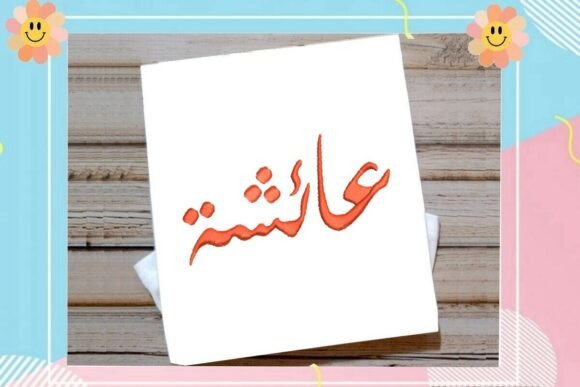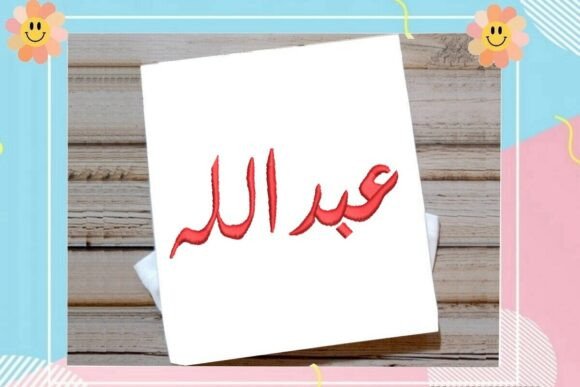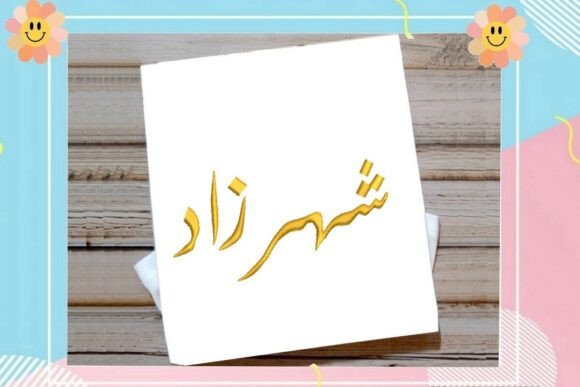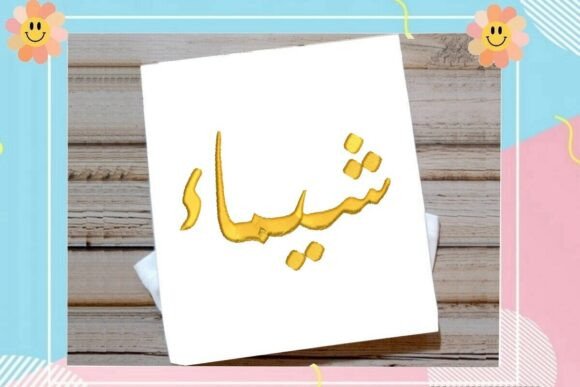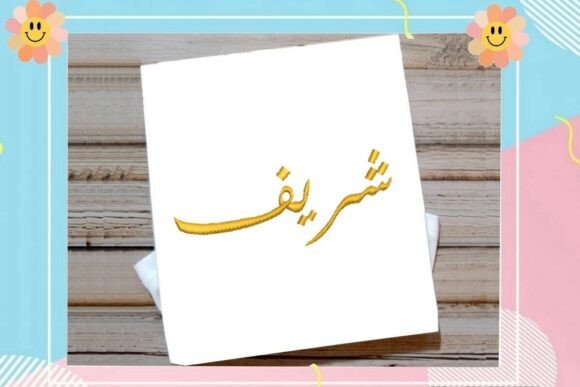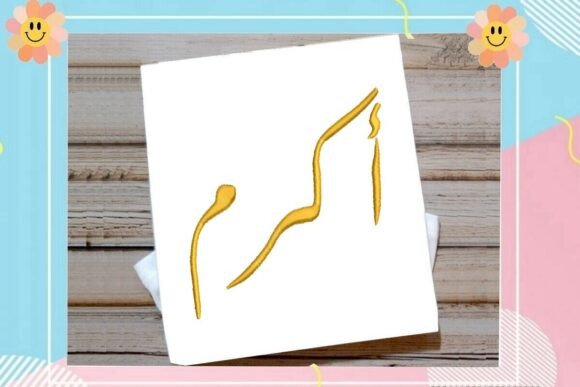
Akram Name Arabic: Elegant Satin Stitch Review
As an embroidery designer who manages a queue of custom orders for personalized gifts, I approach every new machine embroidery design with a critical eye. It is not enough for a file to simply look beautiful on a screen; it must perform flawlessly under the needle and translate into a product that customers cherish. Recently, I tested the Akram Name Arabic design for my shop’s upcoming collection of cultural keepsakes and friend gifts. This review shares my practical experience testing this elegant script in satin stitch, specifically focusing on its viability for commercial use and meaningful gifting.
First Impressions: Elegance Meets Cultural Warmth
My initial assessment of the Akram Name Arabic design revealed a sophisticated balance between traditional calligraphy and modern digitizing standards. The mood is distinctly elegant yet warm, avoiding the stiffness that sometimes plagues scripted fonts. For an Etsy seller or small business owner, this emotional resonance is crucial. When a customer requests a name in Arabic, they are often seeking a connection to heritage, faith, or family history. This design delivers that sentiment through fluid lines and clean satin columns.
The charm lies in its versatility. While clearly rooted in tradition, the execution feels fresh enough for contemporary nursery decor or wedding accessories. As I loaded the embroidery file, I noted that the lettering flows naturally without excessive jumps, which is a significant indicator of quality digitizing. For those creating products in the "Friends" category, this design strikes the right note of intimacy and respect, making it suitable for everything from a best friend's birthday tote to a formal wedding favor.
Real-World Application: From Nursery to Wedding Registry
In my test run, I envisioned specific scenarios where Akram Name Arabic would excel as a personalized gift. The satin stitch construction gives the letters a raised, lustrous finish that catches light beautifully, adding perceived value to any handmade product.
- Baby Embroidery: This design is ideal for blanket corners and crib sheets. The smooth satin texture is gentle against skin, provided the backing is secured properly. It appeals to parents looking for meaningful nursery items that honor their child's identity.
- Wedding Gift Keepsakes: I tested the design on a linen pillow cover intended as a wedding gift. The calligraphic style elevates simple household textiles into heirloom-quality pieces. Couples appreciate custom embroidery that reflects their shared culture.
- Kitchen and Bath Textiles: For embroidered towels and aprons, the bold nature of the Arabic script ensures readability even from a distance. This makes it a strong contender for housewarming gifts or Ramadan/Eid specials.
- Tote Bags and Accessories: The design scales well for canvas totes, serving as a stylish statement piece for daily use. This application is particularly popular among younger demographics seeking functional art.
Navigating Fabric Challenges and Technical Limits
While Akram Name Arabic is versatile, my testing highlighted specific areas where caution is necessary. Satin stitch designs are sensitive to fabric texture and stability. You cannot simply hoop and hope; preparation dictates the outcome.
Delicate Details and Small Lettering
If you plan to resize this design for smaller applications like baby onesies or handkerchiefs, verify the minimum legibility first. Arabic calligraphy relies on precise dots and connecting strokes. Reducing the size too aggressively can cause these elements to merge or disappear. Always check the stitch density after resizing to ensure the fabric does not pucker or the threads do not break.
Textured and Stretchy Fabrics
Satin stitches demand a stable foundation. During my test on a plush terry cloth towel, I found that using a water-soluble topping was non-negotiable to prevent the stitches from sinking into the pile. Similarly, for stretchy baby clothes or jersey knits, a high-quality cut-away stabilizer is essential to prevent distortion. Without proper stabilization, the elegant curves of the Akram name will warp during washing, ruining the professional finish your customers expect.
Contrast and Visibility
The visual impact of this design depends heavily on thread colors. On dark fabrics, lighter thread provides necessary contrast, but you may need to adjust density to prevent show-through. Conversely, on white fabric, ensure your bobbin tension is perfect to avoid dark bobbin thread peeking through the edges of the satin columns. I recommend creating mockups on both light and dark backgrounds before listing the item to understand how the design behaves across different palettes.
The Business Impact: Value, Trust, and Photography
For fellow makers and shop owners, Akram Name Arabic offers tangible business benefits beyond aesthetics. Personalized items command higher price points because they are unique. However, the quality of the embroidery justifies that premium. A crisp, well-digitized name builds customer trust and encourages repeat business. When a buyer sees clean edges and smooth fills in your product photos, they perceive the item as high-end rather than mass-produced.
Photography plays a massive role here. Because this design uses satin stitch, it has a natural sheen. Capture your finished product in natural, angled lighting to highlight the texture. Flat lays often fail to show the dimensionality of Arabic calligraphy. Instead, photograph the embroidered pillow or blanket in a lifestyle setting to convey warmth and scale. This visual storytelling increases buyer engagement and helps customers visualize the gift in their own homes.
Essential Pre-Production Checklist for Makers
Before accepting paid orders featuring Akram Name Arabic, I strongly advise running through this practical checklist. Skipping these steps is the most common cause of wasted materials and unhappy clients.
- Test on Scrap Fabric: Never stitch directly on a final product without a test run. Use a scrap of the exact material and stabilizer combination you intend to sell.
- Verify Hoop Size: Confirm the design dimensions fit comfortably within your machine’s maximum embroidery area with adequate margin for hooping.
- Check Licensing: Review the terms of the digital embroidery file purchase. Ensure you have the rights to sell finished physical products versus just the digital file itself.
- Review Stitch Density: Inspect the test stitch-out for gaps or excessive bulk. Adjust density settings if the fabric is pulling or if coverage is sparse.
- Create Printable Mockups: If offering custom color variations, use software to generate accurate previews so clients know exactly what to expect.
- Wash Test: For items like blankets and towels, wash and dry your sample to ensure the embroidery holds up to real-world care.
Final Thoughts for the Thoughtful Creator
Akram Name Arabic is more than just a font; it is a vehicle for connection. Whether you are stitching a wedding gift for a dear friend or building a niche product line for your online store, this design offers a beautiful foundation. Its success, however, lies in your attention to detail. By respecting the technical requirements of satin stitch and understanding the emotional weight of personalized Arabic calligraphy, you transform a digital file into a cherished memory.
Remember that in the world of commercial embroidery, consistency is key. Take the time to master this design on various substrates before scaling up production. Your dedication to quality will shine through in every stitch, turning first-time buyers into loyal patrons of your handmade business. Happy stitching!